Starting a business is exciting. Most people focus on their product idea, marketing plans, or finding customers. But sooner or later, the legal side comes up—especially company registration.
Many first-time entrepreneurs in India feel confused about where to begin. The good news is that the process today is far simpler than it used to be. In fact, most steps for startup company registration in India can now be completed online.
Still, it helps to understand the process before you start. That way, you avoid unnecessary delays and mistakes.
Why Company Registration Matters
Some small businesses begin without formal registration. While that might work for a short period, it can create limitations later.
For example, if your business grows, you may need to:
- Open a business bank account
- Apply for GST registration
- Sign contracts with larger companies
- Work with investors or partners
Without proper registration, these things become difficult.
When a company is registered, it gets legal recognition. In simple terms, the business becomes an official entity rather than just an idea or personal activity.
Choosing the Right Type of Business Structure
Before starting the company registration process, you need to choose a business structure. This decision affects how your company operates and how taxes or liabilities are handled.
Private Limited Company
Many startups choose Private Limited Company registration because it offers limited liability protection. It also makes it easier to attract investors later.
Limited Liability Partnership (LLP)
An LLP is often preferred by professionals or service-based businesses. It combines features of partnerships and companies.
One Person Company (OPC)
If you plan to start the business alone, OPC registration can be a suitable option. It allows a single entrepreneur to run a company structure.
Partnership Firm
A partnership firm is a traditional model where two or more individuals share responsibilities and profits.
Each option has advantages, so the right choice depends on your goals and the type of business you plan to run.
Documents You Will Usually Need
The documentation for company registration in India is relatively simple. Most applicants need the following:
- PAN card
- Identity proof (Aadhaar, passport, or voter ID)
- Address proof
- Passport-size photograph
- Registered office address proof
Keeping these documents ready can save time during the application process.
The Basic Steps in Company Registration
Although the procedure may sound technical, the actual steps are quite straightforward.
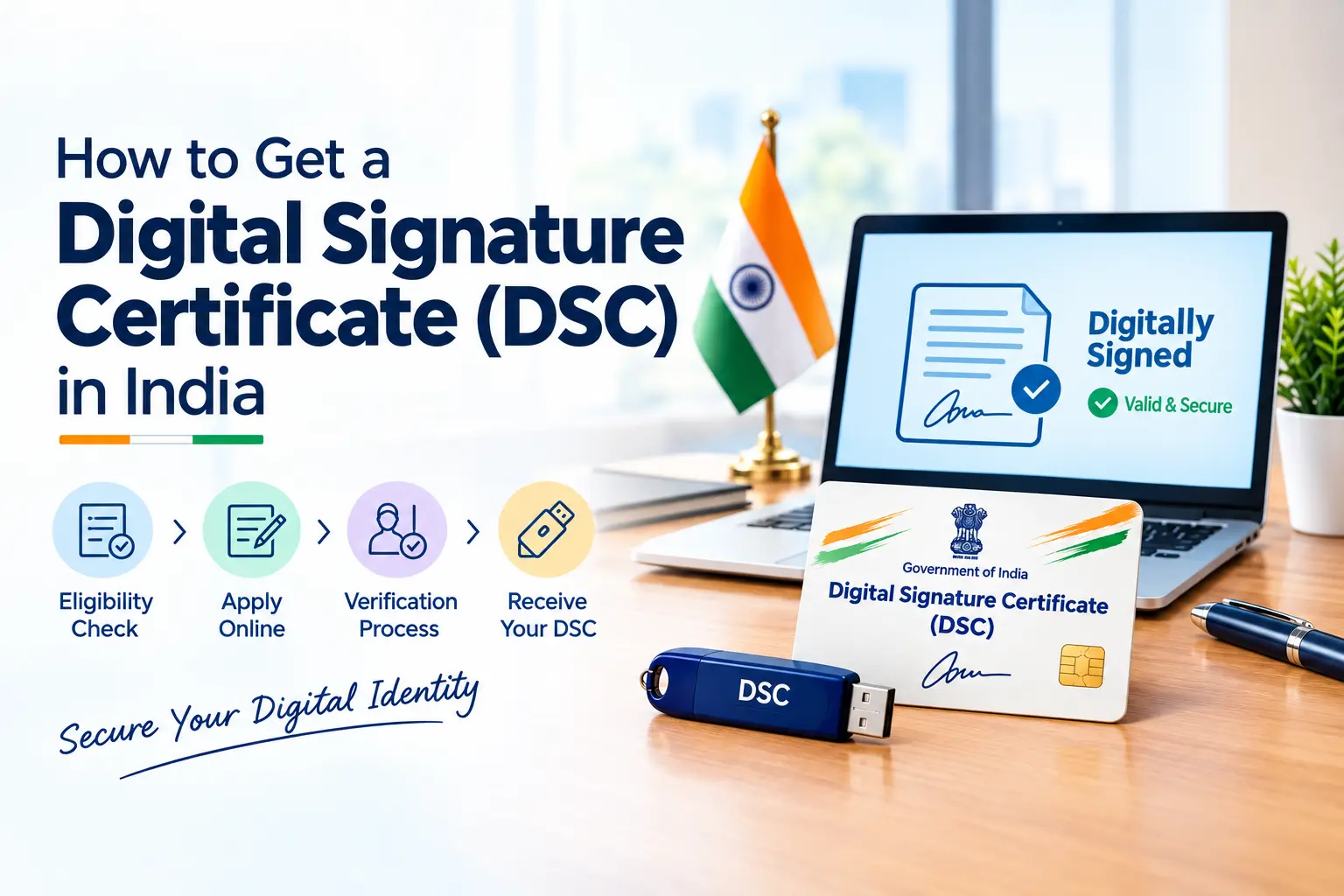
First, the directors apply for a Digital Signature Certificate (DSC). This allows documents to be signed electronically.
Next, each director receives a Director Identification Number (DIN).
After that, a company name is submitted to the Ministry of Corporate Affairs for approval. The name must be unique and follow government guidelines.
Once the name is approved, the incorporation forms are filed online along with the required documents.
If everything is correct, the government issues the Certificate of Incorporation, which officially confirms that the company has been registered.
How Long Does Registration Take?
In most cases, the online company registration process takes around one to two weeks.
Sometimes it may take slightly longer if the proposed company name is rejected or if additional information is required.
Cost of Company Registration
The cost of startup company registration in India can vary depending on the type of company and professional services involved.
For many small businesses, the total expense generally ranges between ₹6,000 and ₹15,000.
It’s always a good idea to check what services are included before choosing a registration provider.
Final Thoughts
Starting a company involves many decisions, and legal registration is one of the first important steps.
Once your business is officially registered, it becomes much easier to open bank accounts, manage taxes, and work with clients or partners.
For new entrepreneurs, understanding the company registration process in India can remove a lot of uncertainty and make the journey smoother.