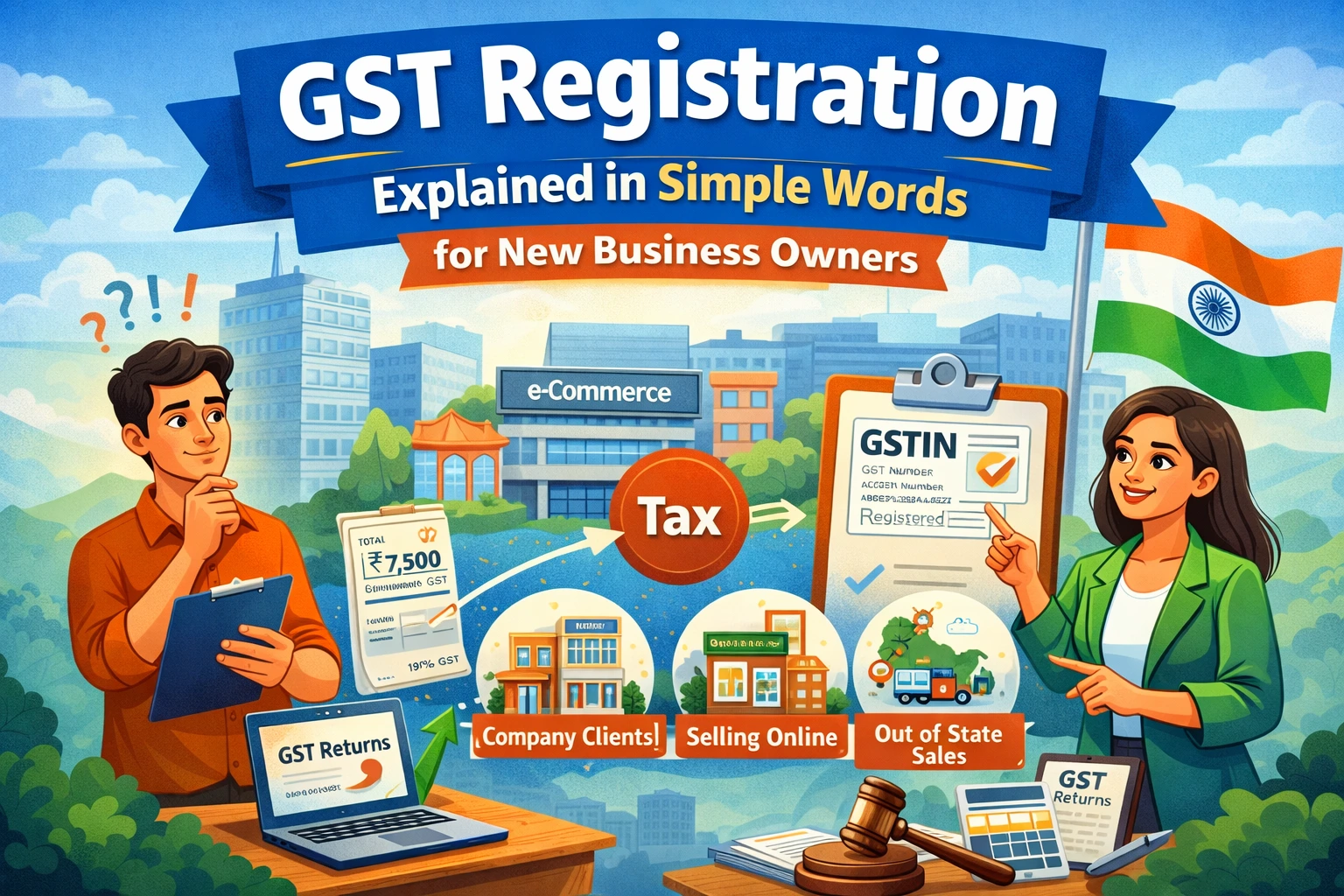
When I speak to new business owners, most of them don’t actually plan to learn about GST. They are forced into it.
Someone from the bank asks for GST.
A client asks, “Do you have a GST number?”
An online platform refuses onboarding without it.
That’s when the confusion starts.
So instead of explaining GST in legal language, let’s talk about it the way business owners actually experience it.
The First Time You Hear “GST Registration”
Usually, it happens after you’ve already started working.
You might be doing freelance work, running a small service business, or selling products locally. Money starts coming in, and suddenly someone tells you,
“You should take the GST registration.”
At this stage, most people think GST is only for big companies. That’s not true anymore.
What GST Really Means in Daily Business Life
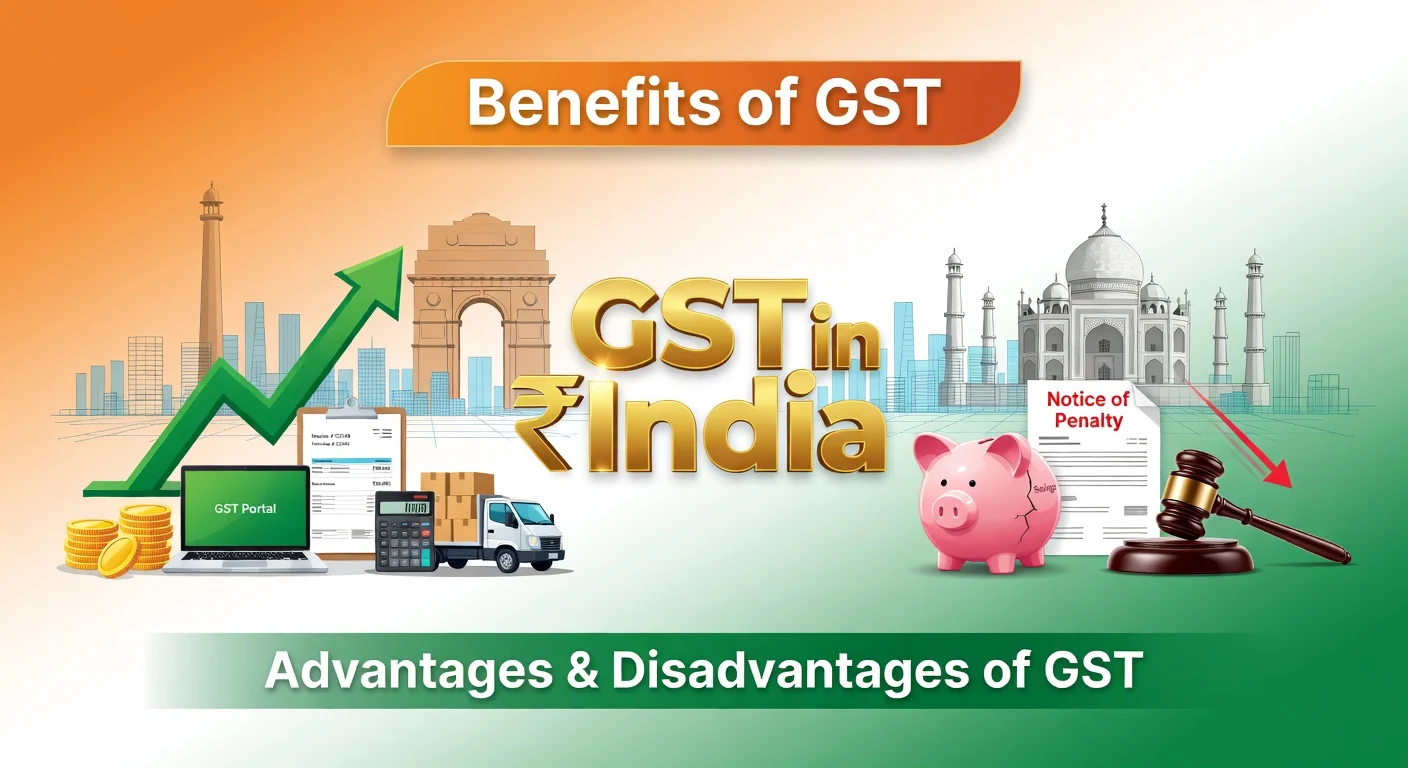
GST is not some extra tax you pay from your pocket.
It’s a tax you collect from your customer and pass to the government.
But here’s the catch — once you register, you are now part of a system.
You must:
- Raise GST invoices
- Gst File returns
- Report sales even if there is no profit
This is where people get stuck.
Do All Businesses Need GST Registration? Honestly Speaking
No.
But many still end up taking it.
You definitely need GST if:
- Your clients are companies
- You work across states
- You sell on Amazon, Flipkart, Meesho, etc.
- You import or export
- Your turnover is crossing limits
But many small businesses take GST not because the law forces them, but because the market does.
Big clients don’t want to deal with non-GST vendors. Simple as that.
Voluntary GST Registration – Good or Bad?
This depends on your situation.
Voluntary GST registration helps when:
- You want professional credibility
- You deal with GST-registered clients
- You want to scale
But once you register, there is no escape from compliance.
Even zero sales means filing a return.
This is why many people regret rushing into GST without understanding it.
The Registration Process Is Easy. The After Part Is Not.
Let me be very clear.
Getting a GST number in 2026 is not difficult.
The portal is online, documents are basic, and approval usually comes in a few days.
The real problem starts after registration.
People forget:
- Return due dates
- Late fees
- Notices
- Mismatch issues
And then GST starts feeling like a headache.
Common Mistakes I See Almost Every Week
New business owners often:
- Register under the wrong category
- Use incorrect address details
- Ignore GST after getting the number
- Don’t understand filing frequency
- Think “no sales = no filing”
This leads to penalties that could have been easily avoided.
Why Most Smart Businesses Take Professional Help
Not because they can’t apply online.
But because they don’t want to:
- Waste time fixing errors
- Respond to notices
- Pay unnecessary penalties
That’s why businesses work with consultants like JSR Taxes & Consultants — not just to get GST registration done, but to stay compliant without stress while focusing on actual business.
If You’re New, This Is My Honest Advice
Don’t take GST just because someone said so.
Understand:
- Your business type
- Your client requirements
- Your future plans
GST is powerful when used correctly.
It becomes a burden when taken blindly.
Final Words (Not Legal Advice, Just Experience)
GST registration is not a milestone.
Running it properly is.
If you’re serious about your business, learn the basics, ask the right questions, and don’t hesitate to get expert help. It saves money in the long run — every single time.